POSTS
PORTFOLIO
SEARCH
SHOP
POSTS
PORTFOLIO
SEARCH
SHOP
Your Cart Is Empty!
+91- 265-6131313
info@vasuhealthcare.com
Who We Are
About Trichup
About Vasu Healthcare
Products
Category
Hair Oil
Shampoo
Conditioner
Hair Cream
Hair Mask
Hair Serum
Hair Enhancer
Henna Hair Color
Hair Fall Control
Oil
Shampoo
Hair Cream
Hair Mask
Healthy, Long & Strong
Oil
Shampoo
Conditioner
Hair Cream
Keratin
Shampoo
Conditioner
Hair Cream
Hair Mask
Anti-Dandruff
Oil
Shampoo
Hair Cream
Argan
Hair Oil
Shampoo
Conditioner
Hair Cream
Black Seed
Hair Oil
Shampoo
Conditioner
Almond Protein
Shampoo
Hair Mask
Hair Enhancer
Frizz Control Serum
Thermal Protection Serum
Nutri Shine Serum
Henna
Tablet
Capsule
Powder
Henna Hair Color
Hair Color - Black
Hair Color - Brown
Hair Color - Burgundy
Hair Problems
Dandruff
Dull Hair
Dry Hair
Frizzy Hair
Grey Hair
Severe Scalp Conditions
Hair Loss
Hair Care
Our Ingredients
Videos
From The Hair Experts
FAQ
Contact us
Trichup International
Who We Are
About Trichup
About Vasu Healthcare
Products
Category
Hair Oil
Shampoo
Conditioner
Hair Cream
Hair Mask
Hair Serum
Hair Enhancer
Henna Hair Color
Hair Fall Control
Oil
Shampoo
Hair Cream
Hair Mask
Healthy, Long & Strong
Oil
Shampoo
Conditioner
Hair Cream
Keratin
Shampoo
Conditioner
Hair Cream
Hair Mask
Anti-Dandruff
Oil
Shampoo
Hair Cream
Argan
Hair Oil
Shampoo
Conditioner
Hair Cream
Black Seed
Hair Oil
Shampoo
Conditioner
Almond Protein
Shampoo
Hair Mask
Hair Enhancer
Frizz Control Serum
Thermal Protection Serum
Nutri Shine Serum
Henna
Tablet
Capsule
Powder
Henna Hair Color
Hair Color - Black
Hair Color - Brown
Hair Color - Burgundy
Hair Problems
Dandruff
Dull Hair
Dry Hair
Frizzy Hair
Grey Hair
Severe Scalp Conditions
Hair Loss
Hair Care
Our Ingredients
Videos
From The Hair Experts
FAQ
Contact us
Trichup International
Text Hover
Text Hover
Text Hover
Text Hover
Text Hover
Text Hover
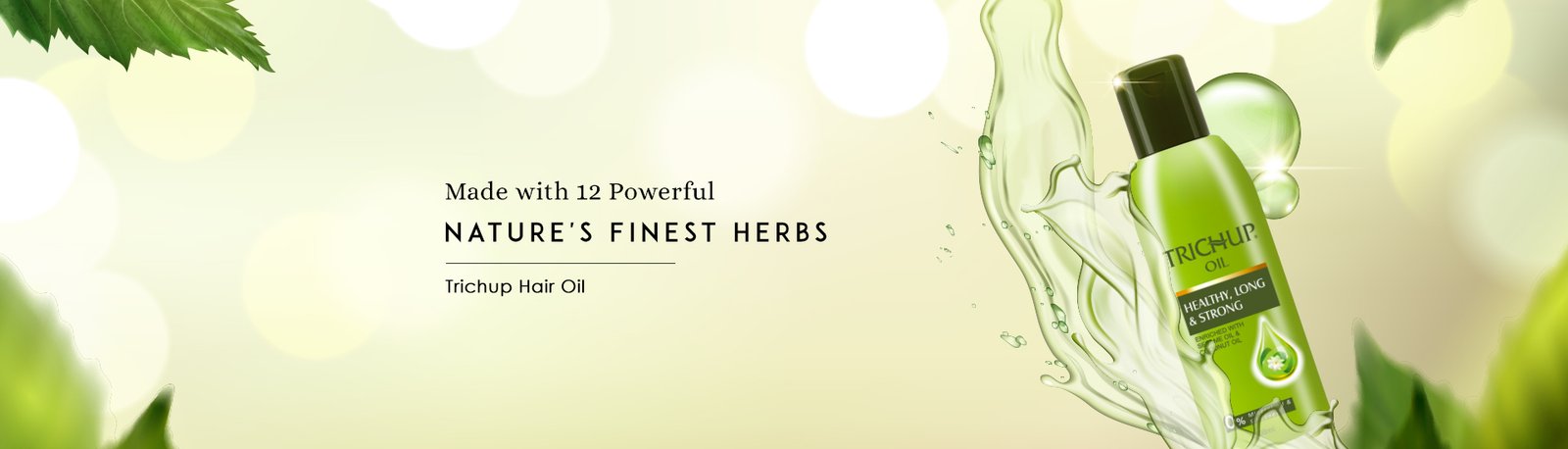
TRICHUP
M
ade With
Nature's Finest Herbs
Explore More
Text Hover
Hair
Problem
?
Text Hover
Text Hover
Text Hover
Text Hover
HAIR LOSS
DANDRUFF
DRY HAIR
FRIZZY HAIR
Text Hover
Text Hover
Text Hover
Text Hover
TRICHUP
Made With
Nature's Finest Herbs
Explore More
Hair Problems?
Text Hover
HAIR LOSS
Text Hover
DANDRUFF
Text Hover
DRY HAIR
Text Hover
FRIZZY HAIR